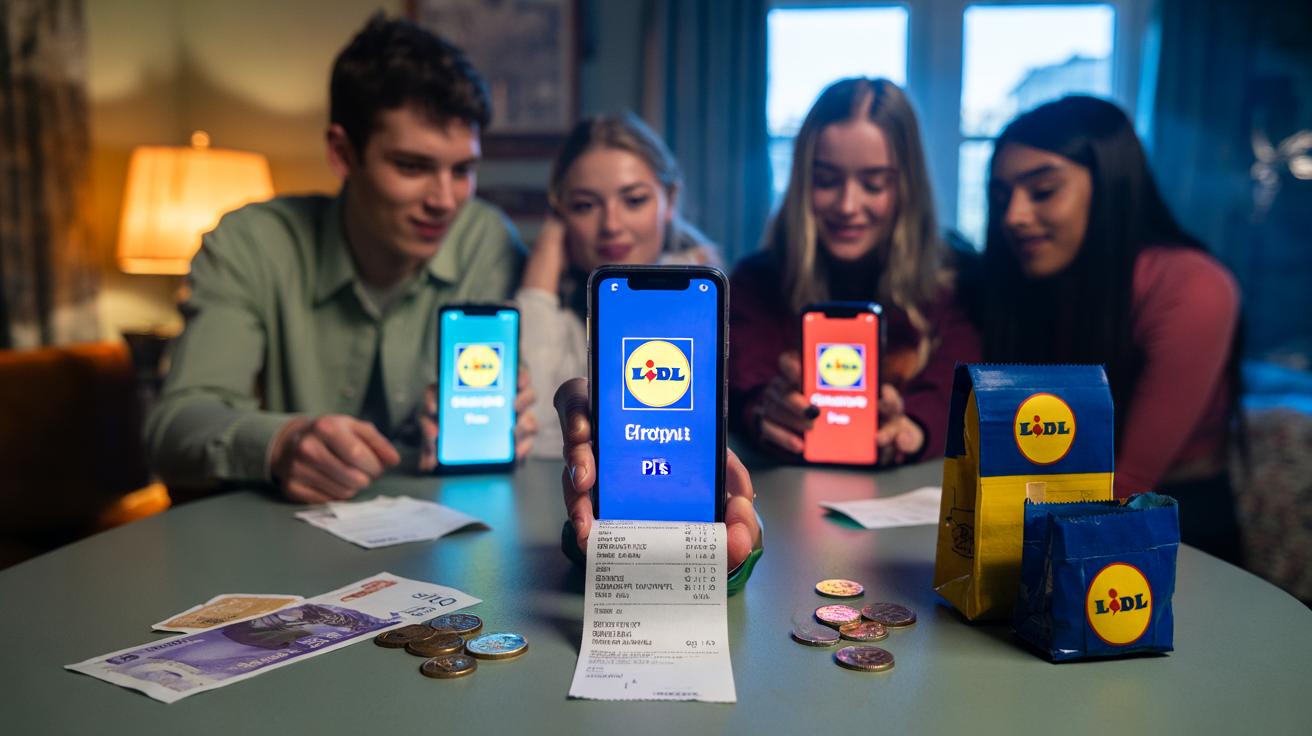
In a nutshell
- 💡 The £1.50 Lidl app trick stacks Lidl Plus receipts with cashback apps and referrals to generate steady payouts—it’s the ecosystem paying, not Lidl.
- 💷 Students report £250–£600/month when referrals scale via societies and group chats; receipt apps pay pennies, but referral bonuses are the multiplier.
- 🛒 Setup: enable Lidl Plus digital receipts, buy a £1–£2 item that matches active offers, upload to receipt apps, claim cashback, and build a referral funnel; track everything in a simple spreadsheet.
- 📊 Typical payouts: Shopmium (£1–£3 + £3–£6/referral), GreenJinn (10p–£2), CheckoutSmart (20p–£2), plus receipt apps like Shoppix/Storewards/HuYu with small but stackable returns and caps.
- ⚠️ Ethics and risks: no fake receipts, no multi-accounting, respect app T&Cs, watch withdrawal fees and offer dates, and protect privacy when sharing proof.
Across campuses this spring, a curious money hack is circulating in group chats and society meetings: a £1.50 Lidl app trick that’s quietly topping up student budgets by £250–£600 a month. It isn’t a glitch. It isn’t illegal. It’s an artful mix of Lidl Plus receipts, grocery cashback apps, and referral economics. The spend is tiny. The yields add up. Students use a small, cheap shop at Lidl to trigger multiple app rewards and friend referrals, then rinse and repeat at scale. This isn’t Lidl “paying” you cash; it’s the ecosystem around it. Here’s how the trick really works in 2025, what it pays, and the rules you absolutely shouldn’t break.
How the £1.50 Lidl App Trick Actually Works
The core is elegantly simple. You make a low-cost shop at Lidl — often around £1–£2, sometimes exactly £1.50 to qualify for a targeted offer — and capture a legitimate, itemised receipt. With Lidl Plus you get digital receipts and occasional coupons that push the outlay down. Now the key: you upload that same receipt to several receipt-scanning apps that pay tiny amounts per proof-of-purchase. Pennies at first. But predictable.
Layer two is where things leap. You also claim cashback offers on apps such as Shopmium, GreenJinn, and CheckoutSmart, which periodically promote Lidl-compatible products. These offers reimburse part or all of a specific item, often turning your £1.50 spend into a no-net-cost buy once the cashback lands. Finally, there’s the multiplier: referrals. When friends use your code and complete their first cashback purchase, you receive a bonus. At scale — course cohorts, sports clubs, fresher groups — the bonuses dwarf the receipt pennies. No fake receipts, no multiple accounts, no deception: stick to valid purchases and honest submissions.
The Numbers: From Pennies Per Receipt to £600 a Month
On their own, receipt apps pay very little, but they’re consistent and stackable. Cashback apps pay better, but only when an offer matches a Lidl item you want. The real accelerant is the referral ladder: one £1.50 shop proves the system works to a friend; they sign up, redeem a qualifying offer, and your bonus triggers. Repeat across a WhatsApp group of 60, and the maths becomes unignorable. Below is a snapshot of typical 2025 payouts UK students report — rates vary, and caps apply.
| App | What You Do | Typical Payout | Monthly Cap (Typical) | Notes |
|---|---|---|---|---|
| Shopmium | Redeem product cashback; refer friends | £1–£3 cashback; £3–£6/referral | Offer-limited | New users often get a free item at Lidl |
| GreenJinn | Claim weekly grocery offers | 10p–£2 per item | Offer-limited | Frequent Lidl-compatible coupons |
| CheckoutSmart | Item-specific cashback | 20p–£2 per item | Offer-limited | Watch fees for small withdrawals |
| Shoppix | Upload receipts | ~3–5p per receipt (in tokens) | Soft daily cap | Occasional bonus surveys |
| Storewards | Upload receipts | ~4–10p per receipt (points) | Daily cap | Boosts for consecutive days |
| HuYu | Grocery receipts only | ~2–6p per receipt (gift cards) | Low monthly cap | Gift card payouts (e.g., Amazon) |
Let’s size it. Ten receipts a week across two low-paying apps might net £4–£6 a month. Cashback redemptions could add £10–£30 if offers align with your real shop. But 50–100 successful referrals in a busy month — via societies, Discords, halls — is where students report £250–£600. Reality check: results vary wildly and depend on your network, discipline, and adherence to app rules.
Step-By-Step: Setting It Up Without Breaking Any Rules
First, install Lidl Plus and switch on digital receipts. Hunt for a low-cost item that overlaps with an active cashback offer on Shopmium, GreenJinn, or CheckoutSmart — this is your “primer” purchase. Buy it. Keep the paper receipt and download the digital one. Upload to your chosen receipt apps the same day for maximum acceptance. Then claim the relevant item-level cashback, ensuring the product, size, and date all match. Bank the confirmation emails.
Next, build the referral funnel. Draft a short how-to message with your referral code, screenshots of your own cashback proof, and a clear £1–£2 Lidl shopping list. Use society newsletters, course group chats, and campus forums; never spam. Host a 10-minute in-person demo after a seminar; show the receipt, the app workflow, then the payout. Rinse and scale. Do not create or control other people’s accounts, and never submit receipts you didn’t pay for. Finally, track everything in a simple spreadsheet: date, store, apps used, status, payout ETA, and referral count, so you don’t miss thresholds or deadlines.
Risks, Ethics, and What Lidl Says
There are lines you must not cross. No fabricated or reused receipts, no doctored screenshots, no multi-accounting, no purchasing solely to flip returns. Each app’s terms and conditions can change without warning; some tighten limits or suspend users for suspicious patterns. Keep purchases modest and genuine. Submitting the same receipt to multiple platforms is typically allowed because each company runs distinct research panels, but always check the latest rules inside each app. Privacy matters too: digital receipts display time, store ID, and last-4 of card. Mask sensitive details before sharing any proof in group chats.
And Lidl? The supermarket’s Lidl Plus programme is designed to offer coupons and digital receipts, not cash payments. This “£1.50 trick” does not mean Lidl pays you money; third-party apps and referrals do. Staff won’t help troubleshoot your cashback issues, and support teams for the apps can be slow. Expect delays. Expect rejected claims if you miss an item size or date. Treat it like pocket-money admin, not a salary. As of 2025, students who succeed keep it boring: small, frequent shops; meticulous receipts; polite, transparent referrals; and zero shortcuts.
Used thoughtfully, the £1.50 Lidl app trick can turn frugal grocery runs into a steady side stream in 2025, especially if you’re active in societies or course groups where trust travels fast. The method won’t make you rich, but it can flatten the spikes between loan drops and term-time shifts. Keep it ethical. Keep it organised. And keep expectations realistic, because offers and rates flex week to week. If you had to start tomorrow, which single group — a seminar chat, a society, or a halls floor — would you teach first to test your referral pitch?
Did you like it?4.4/5 (25)