In a nutshell
- 🍏 Daily apple fibre—especially pectin—ferments into SCFAs like butyrate, nourishing the microbiome, strengthening the gut barrier, and supporting regular digestion.
- 🧪 Apples’ polyphenols (e.g., quercetin) modulate microbes and inflammation; whole apples with the skin on outperform juice thanks to a fibre‑polyphenol matrix that delivers benefits to the colon.
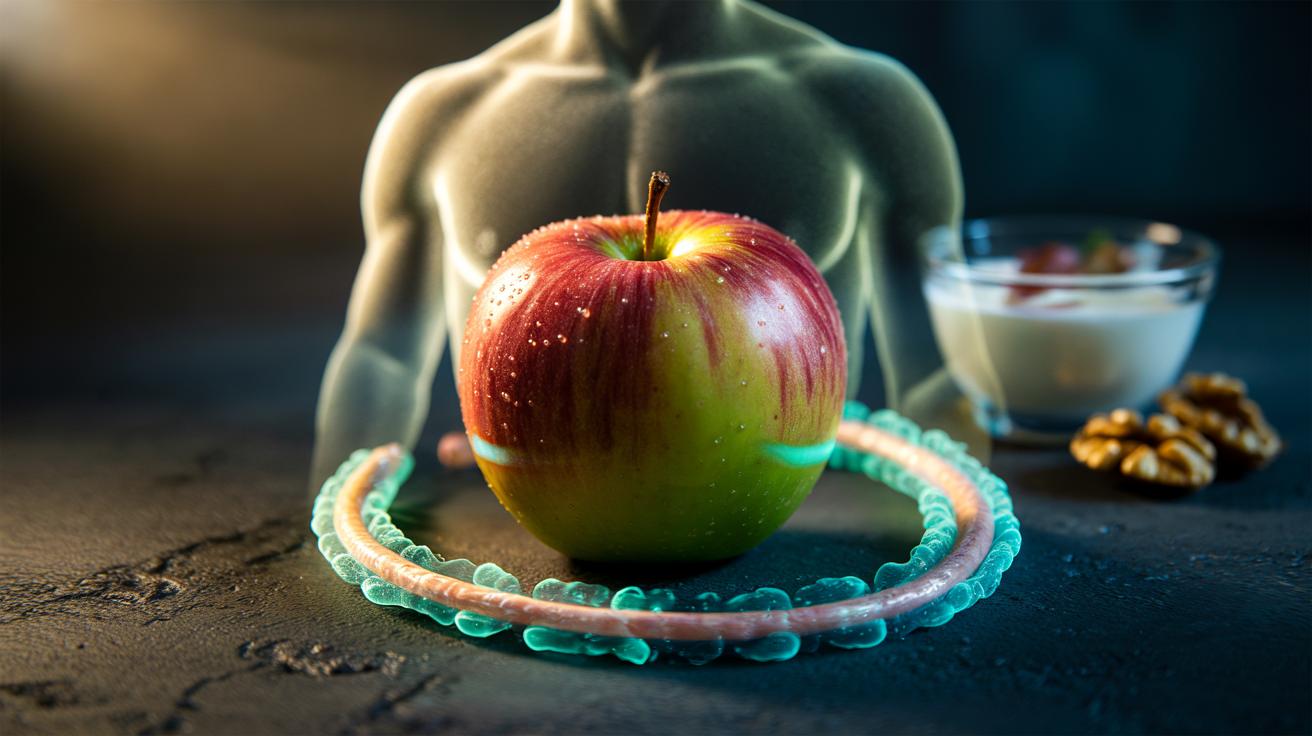
- 🥣 Make it practical: pair an apple with live yoghurt and walnuts, or enjoy gently stewed apple; this boosts satiety, steadies energy, and amplifies prebiotic and probiotic synergy.
- ⚠️ Personalise intake: if sensitive or on low‑FODMAP, start small due to fructose and sorbitol; pair with protein, rinse after eating for dental care, and wash rather than peel to retain nutrients.
- 🇬🇧 Choose fresh UK varieties—Cox’s Orange Pippin, Bramley, Gala—store chilled, and eat with the skin for maximum fibre and polyphenols while minimising nutrient loss.
Nutritionists are rallying behind a humble hero: the apple. Not because it is fashionable, but because the science is catching up with folk wisdom. A single, everyday apple delivers a complex package of fibre, polyphenols, natural acids, and water that collectively nourish the gut’s bustling ecosystem. Eat one daily and you’re not just taking in calories; you’re sending instructions to your microbiome. That message can translate into better digestion, a calmer gut lining, and even more resilient immunity. It’s simple. It’s affordable. And for many Britons, it’s grown just down the road. Here’s why one apple a day could quietly revolutionise your gut health.
How Apple Fibre Reshapes Your Microbiome
The cornerstone is pectin, a soluble fibre that ferments in the colon to produce short‑chain fatty acids (SCFAs) such as butyrate, acetate and propionate. SCFAs are microbial currency. They feed colon cells, help regulate inflammation, and support a healthy mucus layer. Studies consistently show pectin-rich diets encourage beneficial species like Bifidobacterium and members of the butyrate‑producing Firmicutes. Think of pectin as scaffolding that lets good microbes build a stronger neighbourhood. With roughly four grams of fibre in a medium apple—much of it fermentable—this daily habit nudges your gut towards a more diverse, resilient community.
| Component | Gut Health Role |
|---|---|
| Pectin (soluble fibre) | Ferments to SCFAs; supports barrier integrity; feeds friendly microbes |
| Insoluble fibre | Adds bulk; speeds transit; reduces constipation risk |
| Polyphenols (e.g., quercetin) | Modulate microbial balance; anti‑inflammatory signalling |
| Malic acid | May aid digestive comfort and enhance flavour-driven salivation |
| Sorbitol | Draws water into the bowel; softens stools in small amounts |
| Vitamin C | Antioxidant support for mucosal health |
This synergy matters. Insoluble fibres add bulk and encourage movement; soluble fibres slow gastric emptying, dampening glucose spikes and feeding microbes further down the line. The outcome is smoother digestion with fewer peaks and troughs. Consistency is key: one apple, most days, moves the needle more than rare “perfect” meals. Keep the skin on—much of the pectin and associated compounds cluster there. Wash, don’t peel, and you’ll bank more prebiotic benefits with zero extra effort.
There’s a satiety bonus. Viscous pectin thickens with fluid, activating stretch and fullness signals. You feel satisfied on fewer kilojoules, which indirectly supports the gut by reducing ultra‑processed snacking. That gives your microbes steadier substrates—real food, real fibre—rather than the sugar‑fat rollercoaster that fans inflammation and bloating. Small fruit. Big ripple effects.
The Polyphenol Advantage: Why Apples Punch Above Their Weight
Beyond fibre, apples are laced with polyphenols—notably quercetin, catechins and procyanidins. These plant compounds aren’t just antioxidants; they act as microbial modulators. Certain polyphenols inhibit opportunistic species while encouraging commensals that produce SCFAs and anti‑inflammatory metabolites. In practice, that means fewer irritants bumping against your gut wall and more peacekeeping signals in circulation. Crucially, apples deliver these compounds in a natural matrix: fibre slows their release, shuttling polyphenols down to the colon where the microbiota can transform them into highly bioactive fragments.
This fibre‑polyphenol choreography is why whole apples outshine sugary juices. Juicing strips fibre and concentrates free sugars; the gut misses out on the slow‑release delivery mechanism. With the skin on, you may double the polyphenol intake compared with peeled fruit. The peel holds pigments and protective molecules that plants produce under sun stress—a survival toolkit that our microbes also happen to relish. It’s a win for flavour and function. Crisp, sweet, slightly tart—each bite fuels a chain reaction in your microbiome.
There’s a local angle too. UK varieties such as Cox’s Orange Pippin, Bramley and Gala differ in their balance of acids, pectin and polyphenols. Seasonal, short‑haul apples often arrive fresher, with less nutrient loss from storage. Buy British where possible; store in the fridge to preserve crunch; let them warm for 10 minutes before eating to amplify aroma. The result is an easy, pleasurable routine that quietly optimises gut ecology day after day.
Practical Ways to Make One Apple a Day Work
Keep it simple. Eat an apple as a mid‑morning anchor, or slice it into live yoghurt to pair prebiotic fibre with probiotics. Add a handful of walnuts for plant omega‑3s and extra polyphenols. The trio improves texture, slows sugar absorption and sets up a long, steady energy arc. Prefer warm comfort? Try stewed apple with skin left on; low heat softens pectin into an easy gel that many sensitive guts tolerate well. It’s everyday food with clinical‑grade benefits.
If you’ve a delicate tummy or follow a low‑FODMAP plan, tune the dose. Apples contain fructose and sorbitol, which can ferment rapidly in some people. Start with half an apple, choose smaller fruits, or opt for cooked apple where the matrix is gentler. Pairing with protein—cheddar, nut butter—slows transit and may reduce gas. Personal tolerance beats perfection; the right amount is the amount you can enjoy consistently. Keep a food-and-symptom note for a week and adjust.
Two quick caveats. Dental enamel doesn’t love acid and sugar, so rinse with water after eating; wait 30 minutes before brushing. And don’t overthink pesticides: washing under running water and rubbing the skin removes most residues; peeling is a last resort because it sheds valuable polyphenols. Choose firm, heavy apples with a fresh aroma, and store them away from potatoes to avoid ethylene‑driven softening. The goal isn’t a superfood halo. It’s a modest, daily pattern that compounds into better gut resilience.
For a nation that loves simple, familiar food, the apple might be our most under‑valued gut ally. With pectin feeding beneficial microbes and polyphenols calming the gut environment, one crisp fruit can reshape what happens long after you swallow. The habit is easy, the gains broad, and the cost low. Whether you chew it fresh, stew it gently, or pair it with yoghurt and nuts, the effect is cumulative and real. So, what will your one‑apple‑a‑day look like this week—and which variety will you reach for first?
Did you like it?4.3/5 (26)